14.10.26 / Jordan Took
Too good to throw away
On packaging, permanence and the things we can’t quite part with.
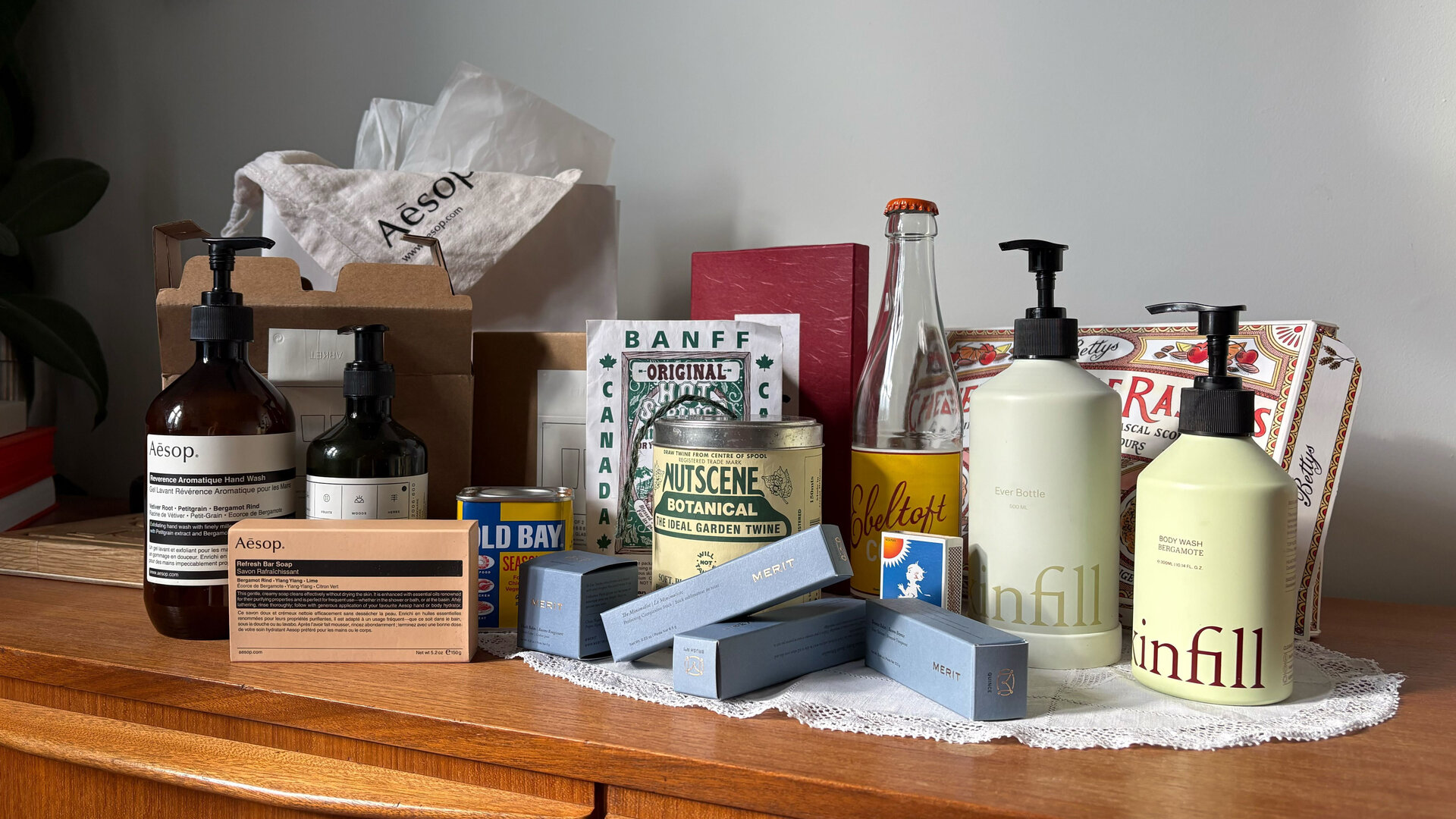
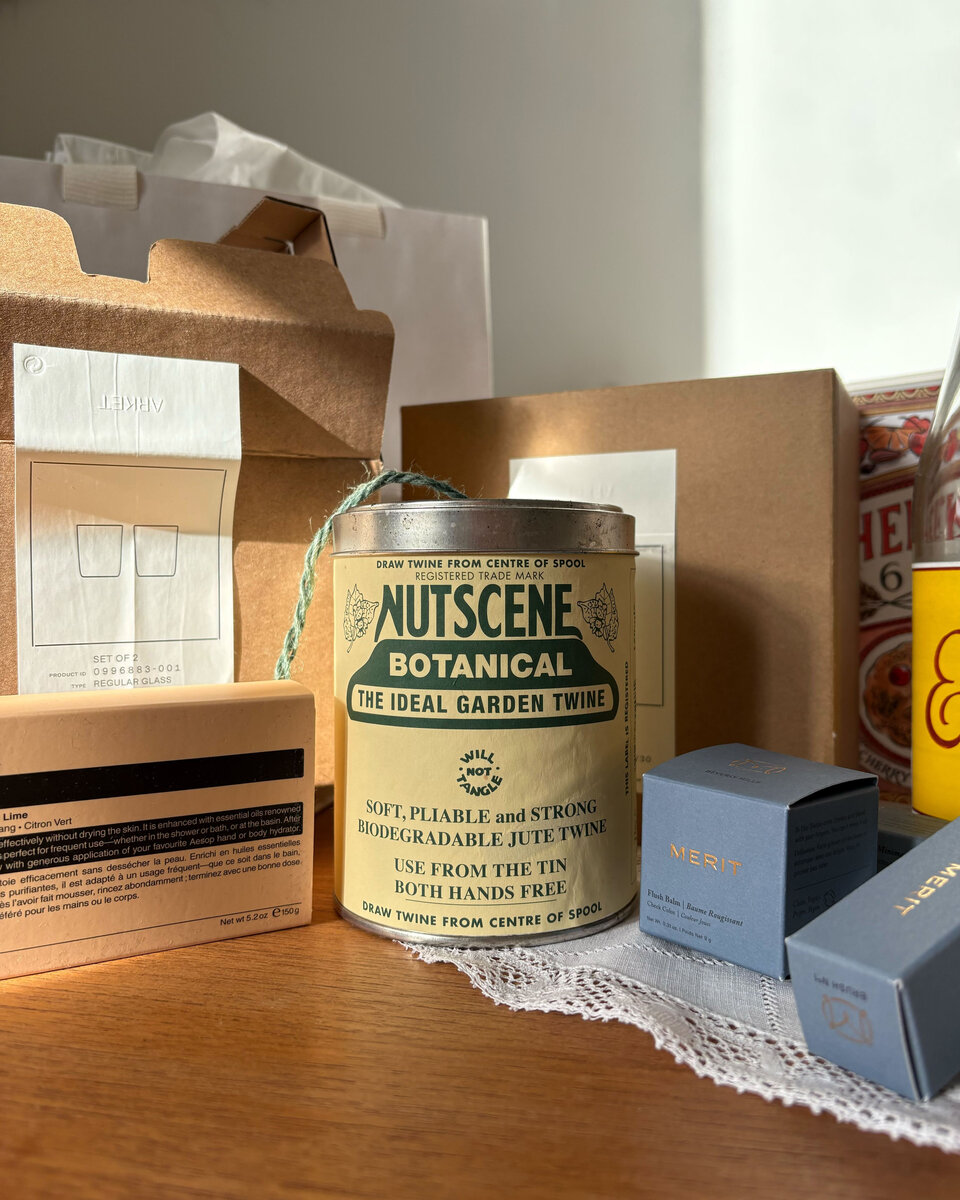
I’m not sure if this classifies me as a hoarder or not, but after a clear-out recently I came across a surprising amount of packaging I’ve collected over the years that I can’t seem to part with. Boxes, bottles, tins, bags – objects that have long since served their original purpose, yet somehow still feel too nice to throw away. I’m also not entirely sure what I plan to do with it all!
So much of what we design today is still built around the idea of single use. Even with sustainability in mind, packaging that is recyclable, compostable or even biodegradable, is still ultimately designed to be thrown away. Swapping one disposable material for another isn’t necessarily the answer. Instead, perhaps we should question whether packaging needs to be disposable in the first place.
What if we approach packaging like we would design brands: for the long run.
We already think about brands in this way – creating identities that can stand the test of time, rather than getting caught up in changing tastes and trends. We think about what will make a brand recognisable, relevant and eventually memorable. So, could we bring some of that same thinking to the physical packaging that carries it?
We’re currently in development of a countertop pack that’s designed to be seen. Not in the usual sense of brand presence or marketing, but because simply having it there can act as a visual reminder – turning something you need to remember into something that becomes instinctive.
What if packaging doesn’t just have a first life, but the potential for a second one too? The first being functional: to protect, contain, transport and communicate. The second could be practical, emotional, aesthetic or even behavioural like what we hope to achieve with the countertop pack.
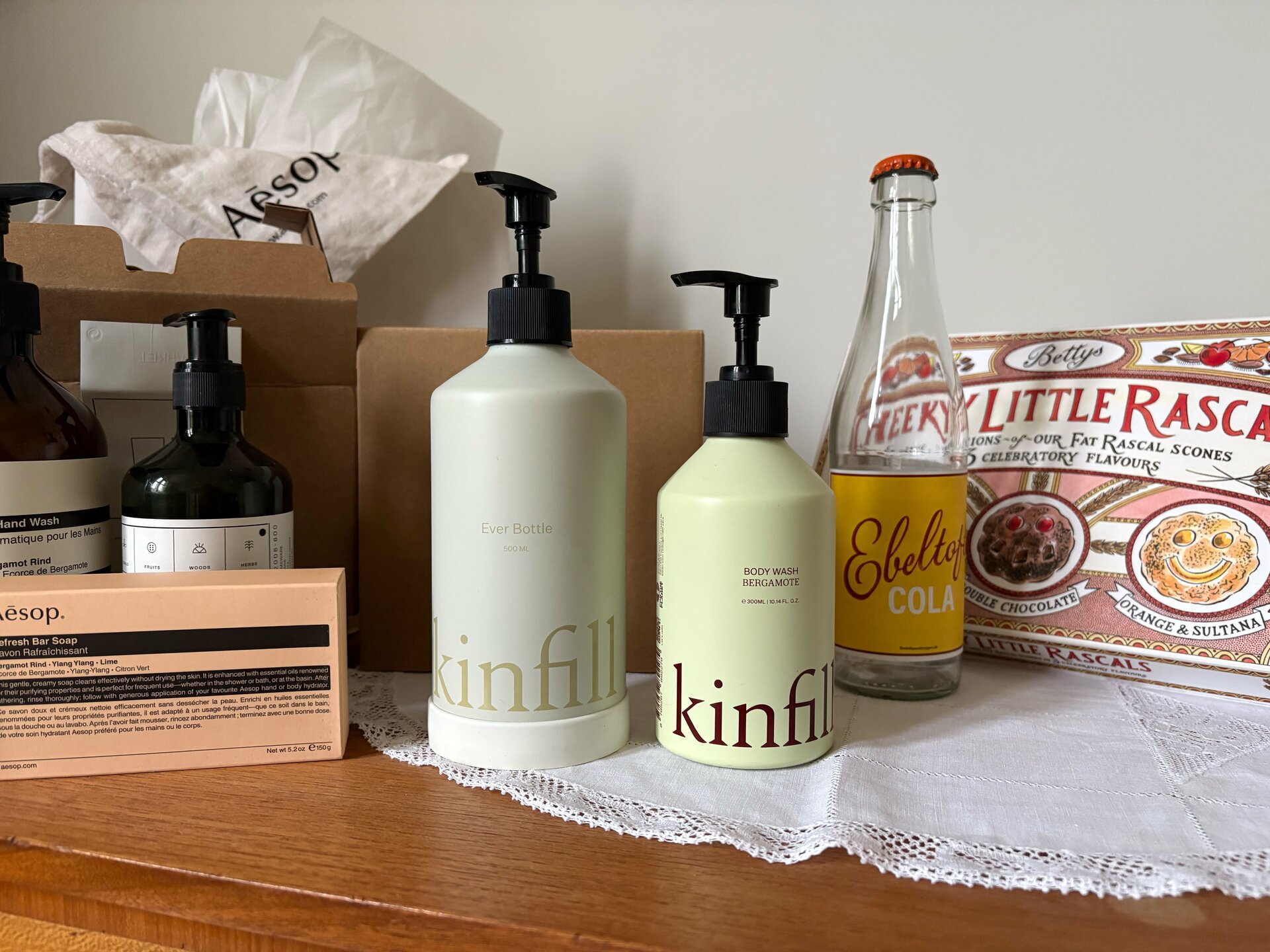
Perhaps we hold on to things because they invite another use?
There are boxes I’ve kept because the structure is too clever to throw away. Bottles that have ended up on a shelf long after their contents are gone. Tins that become useful storage. Packaging where the material, shape, finish or construction gives it a life beyond what it was originally made to contain.
Is this simply something designers notice? Maybe we’re more attuned to the details – the weight of the board, an unexpected opening, a particular finish, the way something folds or fastens together, or even for the branding itself. But I suspect it goes beyond design appreciation.
In an interesting reversal of ‘form follows function’: sometimes, it’s the form itself that creates the desire to keep something. A particularly nice bit of packaging can become something we want to display in its own right.
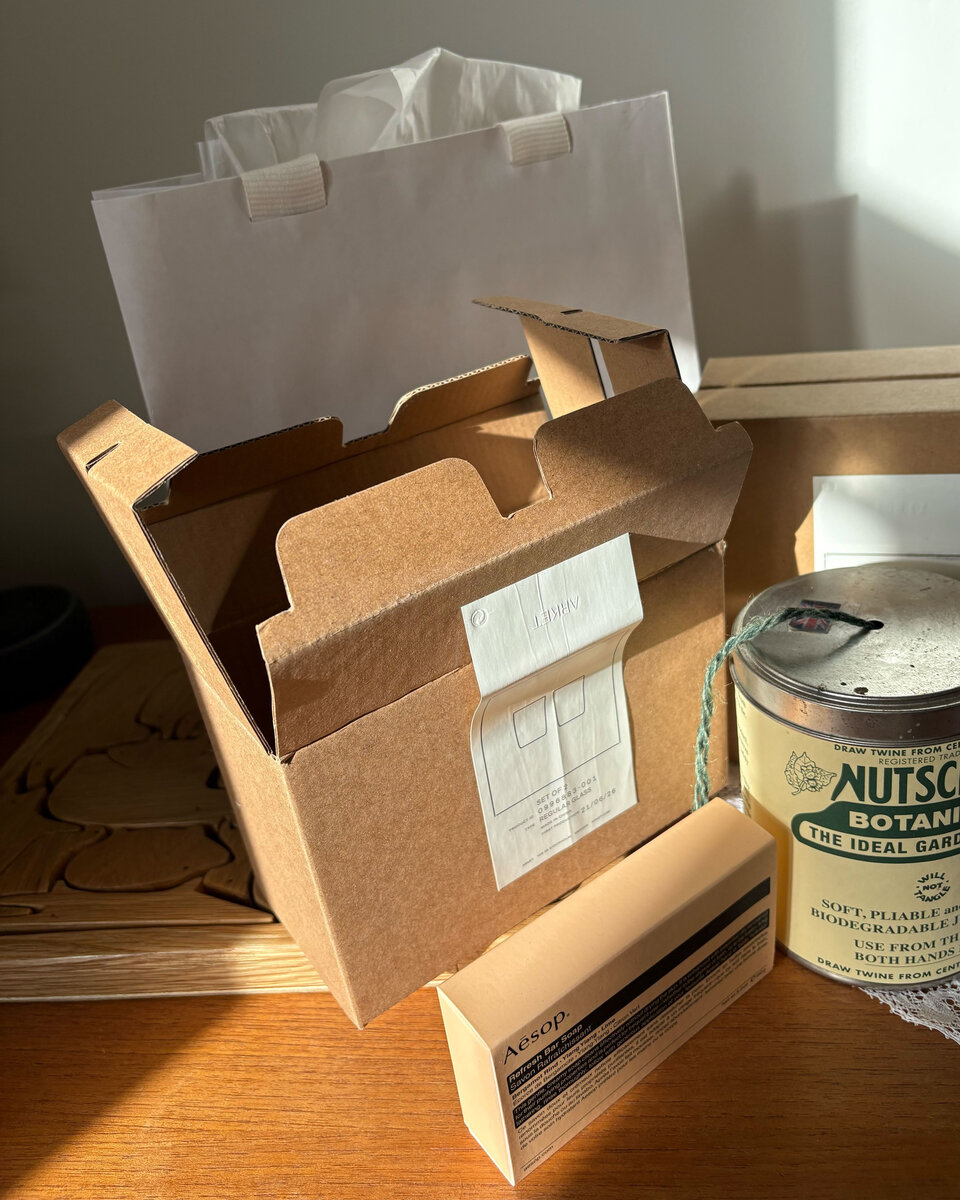
Is that Aesop in that Aesop bottle?
I’m also guilty of another aspect of the packaging market: buying the more aesthetic, premium product, then refilling it with the bog-standard stuff. I know I’m not the only one! You buy the luxury branded version once, or maybe it’s given to you as a gift. It looks nice in your bathroom, or it gives off a sense of a curated space. Aesop products, for example, have become about more than what’s inside the bottle.
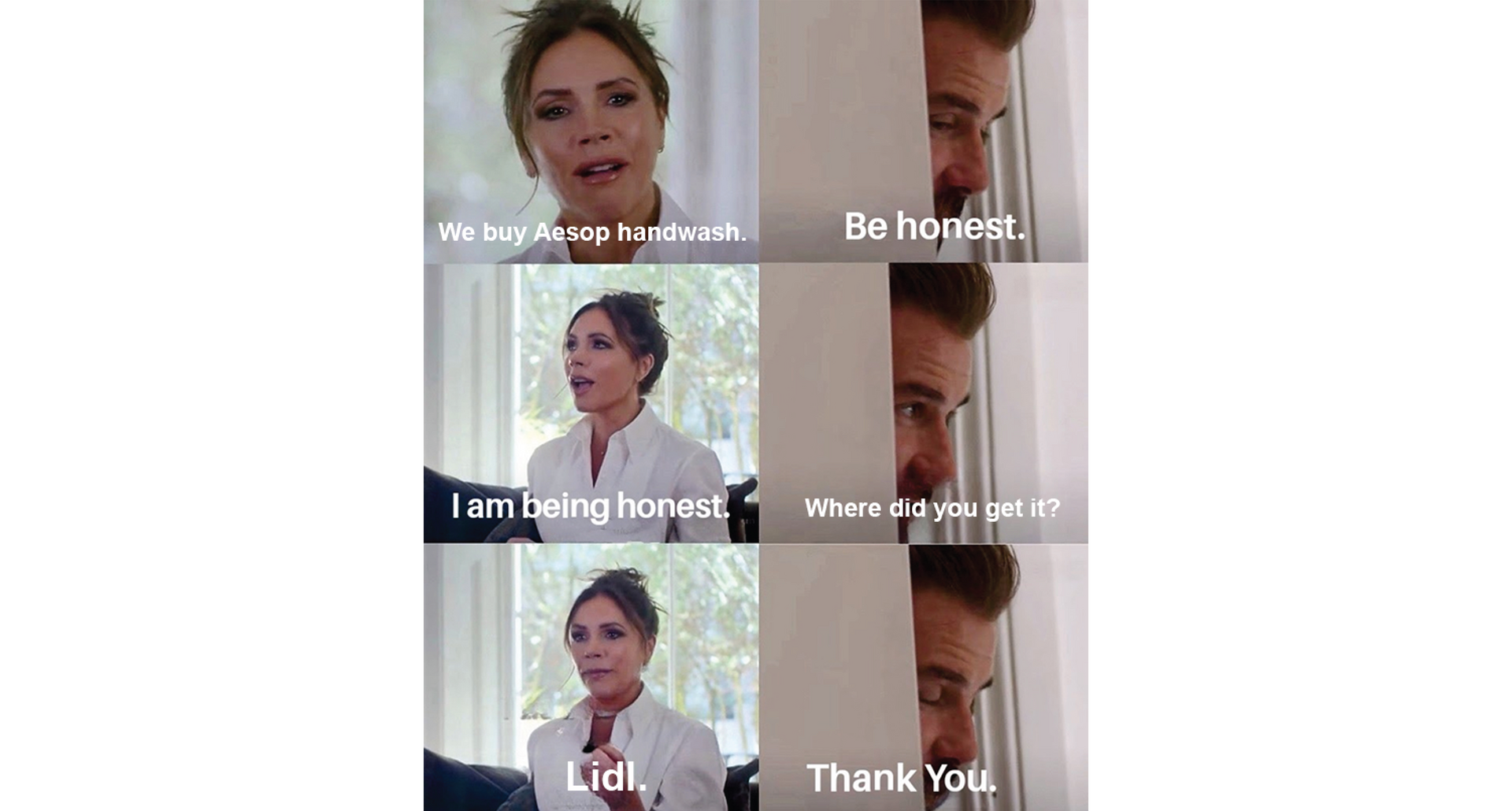
Which brings me to a term I came across recently called ‘Self-Extension’, which describes how the things we own can become part of our identity. The objects we choose to surround ourselves with can reflect our tastes, values, and even the way we want to be perceived by others.
So, when we hold on to a beautifully designed box, bottle or tin, are we keeping it because we genuinely value the object and design itself, or because we value what it says about us? Is it possible we’re not just holding on to the packaging, but to a particular aesthetic, or even a small declaration of taste?
It makes me wonder whether good packaging can become aspirational in its own right. If something looks and feels like it belongs in the world we want to create around us, are we then more likely to give it a place in our homes?
My colleague Gabby made a good point when discussing this in the studio: If Amazon had a beautifully designed box, very few people would want to display it in their home. Not necessarily because of how it looks but because of what it says about them. Perhaps the brand doesn’t align with the lifestyle, tastes or set of values they want to associate themselves with.
“
Taste classifies, and it classifies the classifier.
Pierre Bourdieu
Distinction (1984, p.6)
That took a psychological turn! But I want to get to the bottom of what actually makes us hold on to packaging. If something becomes an extension of ourselves, perhaps we naturally start to value it differently. We’re more likely to care for it, keep it around and find a use for it.
As designers, maybe the questions we should be asking when creating new packaging aren’t simply about how to make things disposable in a more sustainable way, but whether they can be made useful, beautiful or meaningful enough to keep instead.

...for sentimental reasons
Some packaging is kept for more sentimental reasons. Think about the things we bring home from a trip, like the cola bottle from Ebeltoft on my recent trip to Denmark, or the pâté tins my colleague Gab collects from the butcher near where his dad lives. These packages become keepsakes, holding a memory of a place, a person or a particular moment in time. Their value is no longer just in how they look or what they can be used for, but in what they mean to us.
It’s another reason packaging can outlive its original purpose. Sometimes, we keep it because we simply can’t quite bring ourselves to part with it.
If we can make packaging something worth holding onto, perhaps that’s a more interesting measure of sustainability. Not simply how easily it disappears, but how long it can stay.

Next article